Georgetown Metal Notes is a local resource covering metal gates in Georgetown, TX. The guides below explain materials, typical costs, local considerations, and how the work is usually done.
Choosing between steel, aluminum and wrought iron for a Georgetown gate is a decision about weight, upkeep and how the gate will age in the Texas sun. All three metals make handsome, secure gates, but they behave very differently once they are hung on a post and left outdoors for fifteen summers. Knowing those differences before ordering saves a homeowner from a gate that sags, rusts or simply does not suit the property.
What each metal really is
Steel is iron with a small amount of carbon, and it is the workhorse of the gate trade. Most gates described as iron in a showroom conversation are actually mild steel tube or bar, because it is easy to cut, bend and weld. Aluminum is a different material altogether: a light, soft metal that does not rust the way steel does and that is usually formed from extruded shapes. Wrought iron in the strict historical sense is a fibrous, hand forged metal that is rarely made today. Genuine antique wrought iron turns up on older estates and in salvage yards, and new work that carries the name is nearly always steel finished to look traditional.
That naming confusion matters when comparing quotes. A buyer who wants real wrought iron should ask what the gate is made from, and a fabricator who answers mild steel is giving an honest and normal answer. The look can be identical. The difference lies in the material grade and in how it is protected.
Steel, strong and forgiving to build with
Steel offers the best strength for the least bulk. A frame of steel tube can span a wide driveway opening without a visible brace, and the metal can be bent into scrolls, rolled into arches and welded into nearly any pattern. Repairs are simple because a welder can cut out a damaged section and join in a new one. For long spans, heavy ornamental panels or a gate that has to stop a determined person, steel is the usual answer.
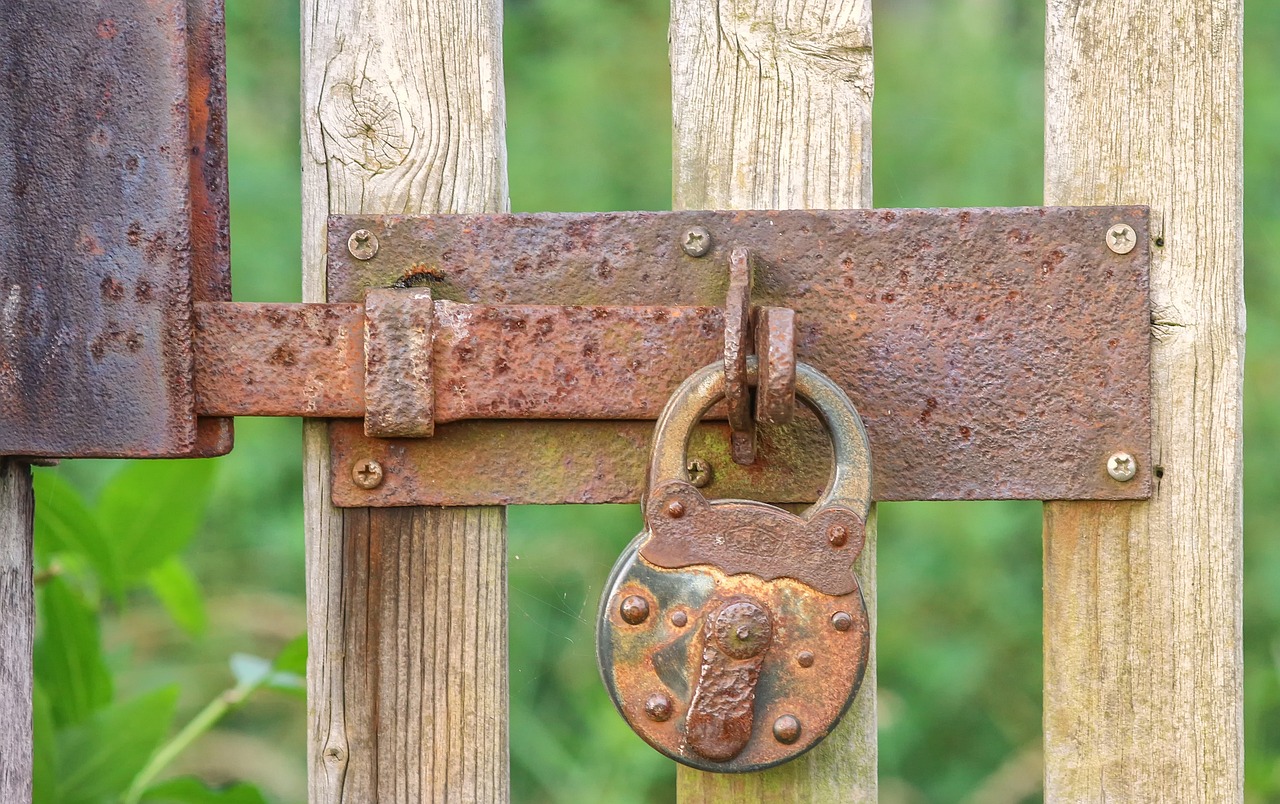
The trade off is that bare steel rusts. Rust needs oxygen and moisture, and Georgetown supplies both in the form of morning dew, sprinkler overspray and the sudden downpours that follow a dry spell. A steel gate depends on its coating, whether zinc, powder coat, paint or a combination, and it needs that coating to stay unbroken. When a scratch exposes bare metal, rust can start underneath the finish and lift it. Steel gates reward a yearly look for chips and a quick touch up.
Steel also carries weight. A large driveway leaf in steel can be heavy enough to demand strong posts, deep footings and robust hinges. That weight is a virtue for security and a burden for hardware, so the post and hinge choices must match the metal.
Aluminum, light and free of red rust
Aluminum forms a thin oxide skin that stops further corrosion, so it does not produce the orange stains that steel does. It weighs roughly a third as much as steel for the same volume, which makes it easy on hinges, openers and posts. Aluminum gates are a popular pick for pool enclosures, side yards and homes where a motor will move the gate all day.
The limits are strength and stiffness. Aluminum is softer, so it dents more easily and flexes more under load. To reach the same stiffness as steel a fabricator uses thicker walls or larger sections, and very wide spans may need extra bracing. Welding aluminum requires different equipment and skill, and the heat from a weld can soften the metal beside the joint. Good shops allow for this in their design. Aluminum also costs more per pound than steel, though the lighter hardware can narrow the gap.
Because aluminum is so often an extruded product, its decorative range is narrower. Catalog pickets and rails come in set profiles, and fully custom scrollwork is harder than it is in steel. For a clean, simple picket gate this is not a problem. For an ornate entry it can be.
Wrought iron, the real thing and the look
True wrought iron has a grain like wood and resists corrosion better than modern mild steel, which is why century old iron fences still stand. Genuine material is scarce, and a gate made from reclaimed wrought iron is a specialty piece. Most people who say they want wrought iron are describing a style: slender vertical bars, forged looking collars, hand worked scrolls and a dark finish. That style can be built in steel and, in lighter versions, in aluminum.
If an antique gate or reclaimed panel is part of the plan, a fabricator can often restore it, repair cracked joints and mount it on new posts. Old iron may need careful handling because it can be brittle in places and hard to weld without the right technique.
Matching metal to a Georgetown property
Georgetown properties vary a great deal. A home near the courthouse square and Old Town may want a traditional dark gate that suits older architecture, and steel with scrollwork is a natural fit. A newer subdivision lot with a standard fence line might do better with a clean aluminum or steel picket gate. Lots near the San Gabriel River or Lake Georgetown see more humidity and sometimes flooding, which makes a protected coating more important on steel and favors aluminum for areas that stay damp.
Sun is the other constant. Long summers with intense light fade cheap paint and make dark metal hot to the touch. A gate near a play area or a pool deck should have a lighter finish or sit in shade, and the metal choice affects how hot the surface gets. Aluminum and steel both warm quickly, but color changes the result more than the metal does.
Soil matters for the posts that carry the gate. Clay that swells and shrinks, and limestone near the surface, both affect how deeply and how firmly a post can be set. Heavy steel gates ask more of that foundation than light aluminum ones.
Questions to put to a fabricator
What exact metal is the gate frame made from, and how thick are the walls?
How is the metal protected from rust, and what is done to cut ends and welds?
How much will the finished gate weigh, and are the hinges and posts sized for that weight?
What happens to the finish where hardware is attached?
Can the work be repaired later without replacing the whole gate?
Honest answers to these questions reveal more than a sample photo. A fabricator who explains the choices in plain terms and admits the limits of each metal is usually a good sign.
Upkeep over the years
Steel asks for attention to the finish, with a wash twice a year and quick repair of any chip. Aluminum asks mostly for cleaning, and a hose and mild soap handle most grime. Neither metal likes to sit under a leaking sprinkler head, since constant wetting wears coatings down and leaves mineral stains. Pointing sprinklers away from the gate is one of the cheapest steps an owner can take.
Hinges and latches are the moving parts, and they wear faster than the metal itself. Whatever the frame is made from, plan on a little oil or dry lubricant on moving parts each season.
Making the choice
For maximum strength, wide spans and ornate design, steel with a good coating is hard to beat. For light weight, easy automation and freedom from red rust, aluminum is a sound pick. For a period piece, reclaimed wrought iron is special but needs expert handling. Most Georgetown homeowners end up with one of the first two, and the better question is usually not which metal but how well the gate is built and finished. The following pages in this guide look at that side of the question, from wall thickness and welds to galvanizing and powder coat, so a buyer can judge a gate by what it is made of rather than by its photograph alone.
Metal gates rust in Georgetown because steel meets oxygen and moisture wherever a coating has failed, and a few small habits of the local climate speed that meeting along. Understanding where rust begins, and how each kind of coating blocks it, lets a homeowner buy a gate that lasts and keep it looking sharp without much effort.
What rust actually is
Rust is iron that has combined with oxygen in the presence of water. The reaction is slow on a dry surface and quick on a wet one, and salts or minerals in the water make it faster still. The orange flakes that form are larger in volume than the metal they came from, so rust lifts paint, cracks coatings and exposes fresh metal beneath. That is why a tiny chip can grow into a bubbling patch within a season. Aluminum does not behave this way, and that is one reason it is common near pools, but most gates in the area are steel and must be protected.
How Georgetown weather feeds the problem
Central Texas is not a rainforest, yet a gate here can stay wet longer than people expect. Morning dew settles on cool metal after a warm night. Spring storms deliver heavy rain in short bursts. Lawn sprinklers throw water at gates and fences for a few minutes every other day, and water from a well or a hard water supply leaves mineral crust behind as it dries. Wet and dry cycles are hard on coatings because they expand and contract with temperature, and they carry grit into every small crack.
Sun adds its own damage. Ultraviolet light breaks down the binders in paint, so a finish that looks fine in spring can chalk and thin by the third summer. A coating that is chalking has less thickness to protect the steel, and a chipped or thin spot lets moisture creep in at the edges.
The soil near a gate plays a part too. Clay holds water against the lower part of a post, and a base plate that sits in damp ground will corrode from the bottom up. Where a post meets concrete, a small gap lets water pool, and that spot is often the first place rust shows.
Where rust starts on a gate
The bottom rail, where splashing and standing water collect.
Weld seams, where heat has damaged the original coating and the surface is rougher.
Cut ends and drilled holes, where bare steel is exposed.
The inside of hollow tube, where moisture can enter and never dry out.
Hinge and latch mounting points, where hardware scrapes paint away.
The base of posts, at and just below ground level.
Looking at these places once or twice a year catches trouble early, when a little cleaning and a dab of paint are enough.
Coatings that protect steel
Every protective system works in one of two ways: it blocks water from reaching the metal, or it sacrifices itself so the steel does not. Most good gates use a layered approach.
Primer is the base layer, formulated to grip bare steel and carry rust inhibiting pigments. Paint over primer adds color and a tougher outer skin. Powder coat is a dry powder that is sprayed with an electric charge and then baked into a hard, even shell. It is thicker and more chip resistant than most brushed or sprayed paint, and it is a standard choice for gates that see daily use.
Galvanizing coats steel in zinc. Zinc corrodes in place of the steel beneath it, so even a scratch that reaches the metal tends to stay protected for a while. Many high quality gates are galvanized first and then powder coated, which gives a long lasting base with a handsome finish on top. The extra step is worth considering for a gate that will stand near a sprinkler line, a pool or low ground.
Preparation decides the result
A coating is only as good as the surface under it. Mill scale, oil, weld spatter and old rust all stop paint from bonding. A reputable shop cleans steel by blasting or chemical washing, removes sharp edges and rough weld spatter and applies the first coat soon after, before a film of surface rust forms. A gate that was painted over dirty or damp metal can peel in a year, no matter how expensive the paint was.
Edges and corners are tricky. Coatings tend to pull away from sharp edges and leave them thin, so a good fabricator rounds them slightly. Hidden surfaces matter as well. The inside of a hollow tube cannot be reached by a brush, so quality shops either seal the ends, vent the tube so it can dry or coat the inside by dipping.
Keeping a finish healthy
A gate does not need heavy maintenance, but it rewards a short routine. Wash it with mild soap and water twice a year to remove dust and mineral film. Look closely at the bottom rail, the welds and the hardware. When a chip shows bare metal, clean it with a wire brush or fine sandpaper, wipe the dust off and brush on a matching rust inhibiting touch up paint. Doing this within a few weeks of the damage keeps the repair small.
Avoid letting sprinklers hit the gate. Turning a spray head a few degrees, or switching to a drip line, may be the most useful thing an owner can do. Keep mulch, soil and leaf litter from piling against the base of posts, because damp material holds water against the metal for days.
When rust has already started
Light surface rust is manageable. Sand it back to bright metal, treat it with a rust converter or primer and recoat. Deep rust that has flaked and left pits is a bigger job, and rust that has eaten through a tube wall needs a welder to cut out the weak section and replace it. If a post has corroded at its base, the post should be repaired before the gate is hung again, since a weakened post can fail under the weight of a swinging leaf.
Fresh paint over active rust only hides it. The rust keeps growing under the new coat and pushes it off, so removal is not optional.
What to look for when buying
When shopping for a gate in Georgetown, ask what the finish system is, how the steel was cleaned before coating and how cut ends and welds are protected. Ask whether the inside of the tubing is sealed. Ask what the maker suggests for touch ups. A confident answer, given in plain language, is a better sign than a promise that the gate will never rust. No coating is permanent, but a well chosen system, applied to clean steel and checked each year, can keep a gate in good condition for a very long time.
Honest planning also includes the setting. A gate by a sprinkler bed, in a low spot or near water deserves a stronger system than one on a dry, sunny, open fence line, and it may deserve aluminum instead of steel.
Judging the build quality of a metal gate in Georgetown does not take an engineering degree. A careful buyer can stand in front of a finished gate, or a photo of one, and read most of what matters: how square it is, how clean the joints are, how heavy the metal feels and how well the finish was applied. The signs are visible if a person knows where to look.
Start with the squareness
A well built gate frame is square, which means the diagonals measure the same and the corners are true right angles. Stand back and sight along the top rail. It should be straight, without a hump or a dip. Check that the gap between the gate and the post is even from top to bottom, and that the gate hangs without twisting. A frame that is slightly out of square will rub on one side, drag at the latch and slowly sag as the weight pulls on the weak corner.
A gate that is square on the shop floor can still go out of square if the metal is too thin or the joints are weak, so squareness is a symptom as much as a feature. A gate that has hung for a year and still sits true is a good sign.
Read the welds
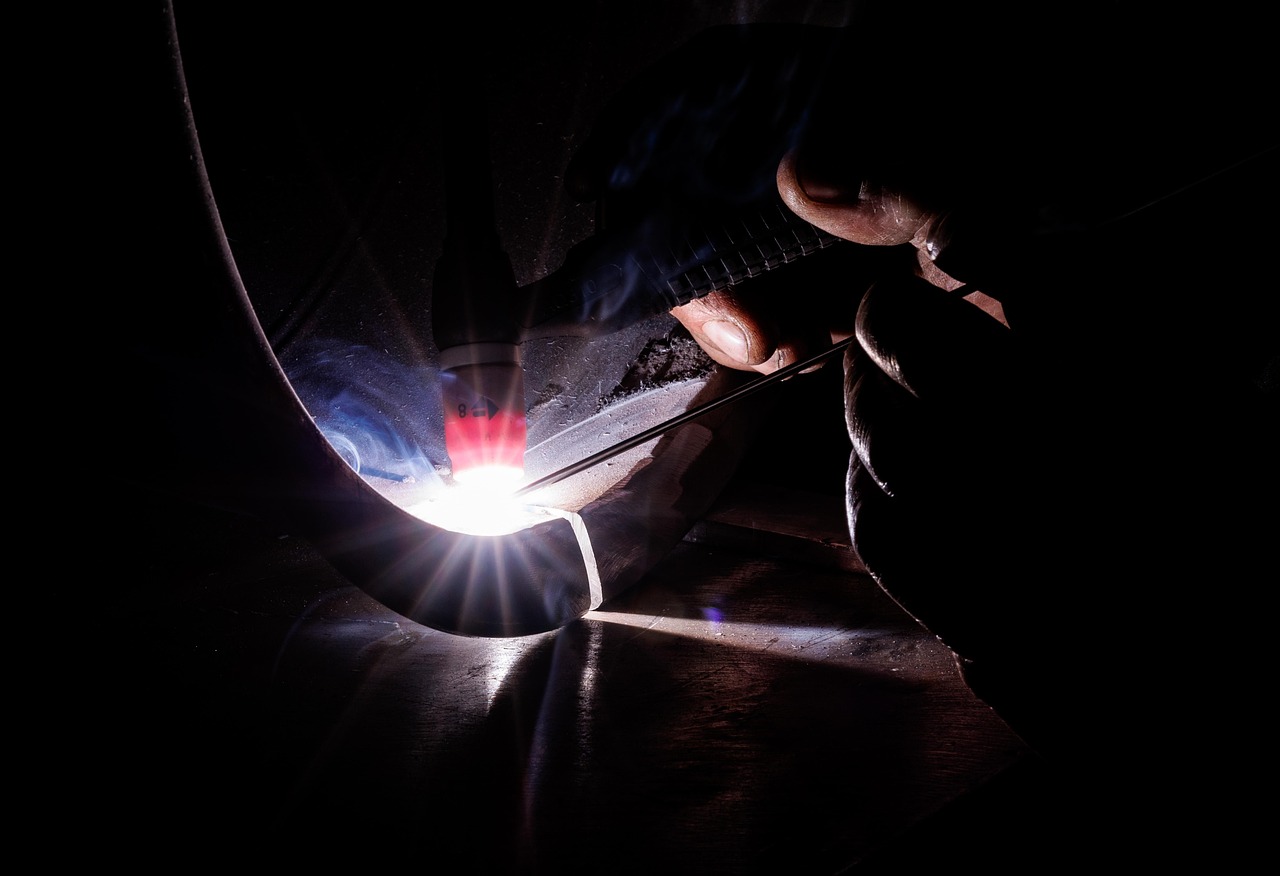
Welds are where a gate is held together, and they tell the most honest story. A good weld looks even and steady, with a consistent width and a smooth, slightly rippled surface. It blends into both pieces of metal without gaps. Poor welds show as lumpy blobs, gaps where the bead stops short, holes in the surface, cracks or burn marks on the metal beside the joint.
Many gates have the welds ground smooth for appearance. That is fine when the joint was strong first and then finished, but a grinding pass can hide a weak weld, so ask whether the joints were fully welded all around or only tacked in places. Joints that carry load, such as the hinge side corners and the points where braces meet the frame, deserve the closest look.
Feel the weight and check the metal
Thin tube makes a light gate that looks fine in the shop and bends in the first year. Tap the frame with a knuckle. A thick wall gives a dull, solid sound, while a thin wall rings or buzzes. Ask for the tube size and wall thickness and compare them with the span. A wide gate needs thicker and larger tube than a narrow one, and a gate with heavy infill, such as solid panels, needs stronger framing still.
Lift one end of a smaller walk gate if the shop allows it. A good gate has a satisfying heft without being awkward. A gate that feels flimsy in the hand will usually feel the same on the post.
Look closely at the finish
The finish is the gate's armor. Look at it in good light and from a low angle. It should be even in color and sheen, without runs, drips, orange peel texture or bare patches. Edges and corners should be covered, not thin or shiny where coating has pulled away. Check the places that are hard to coat: the underside of rails, the inside of corners and around welds. A good shop coats those places on purpose.
Ask what the finish system is. Zinc under powder coat is a strong combination. A single coat of brushed paint is a lighter system and will need more care. Neither is automatically wrong, but the buyer should know what has been bought and what upkeep to expect.
Examine the hardware
Hinges, latches and drop rods are where a gate meets daily use. Hinges should be sized for the weight, with bearings or bushings that move freely and a way to adjust the gate after installation. Latches should catch cleanly and be mounted with strong fasteners or welded brackets. Check that the hardware is made of a material that tolerates outdoor use, such as stainless or coated steel, and that it is attached to solid metal, not a thin wall that will flex.
Ask whether the gate has a stop so it does not swing past its line, and whether a drop rod or a cane bolt holds the second leaf of a double gate. Details like these show whether the maker has thought about how the gate will be used.
Check the design for water and wear
Good gates are designed to shed water. Look for drain holes at the bottom of hollow members, caps on the tops of tubes and bottom rails raised above the ground rather than resting on it. Spots where water can sit, such as flat ledges or closed pockets, lead to early rust. Scrollwork that has deep crevices is hard to coat and hard to clean, so ornate parts deserve extra scrutiny.
Anything that can be reached by a child or a pet should be free of sharp edges, pinch points and loose parts. Run a hand along the edges of the frame to feel for burrs or rough spots.
Think about the posts and the opening
The gate is only as good as what holds it. Posts should be sized for the load and set in concrete at a depth that suits Georgetown's clay and limestone soils. Look at how the posts are plumb, how they are capped and whether the concrete is crowned to shed water. A fine gate hung on a post that leans will fail no matter how well it was made.
The opening itself matters. The gate should fit the gap with an even clearance, leaving room for expansion in summer heat and for the ground to move a little without binding the leaf.
Questions that reveal quality
What are the dimensions and wall thickness of the tube used?
Are the joints welded fully around, and are the welds ground smooth?
How was the steel cleaned and coated, and what protects cut ends?
Does the gate have drain holes and capped tops?
Which hinge and latch models are used, and can they be adjusted?
What is done to prevent sag over time?
A maker who is proud of the work will answer these without hesitation, and may show the details unprompted. Vague answers or a refusal to discuss construction deserve caution.
Put it all together
No single sign proves a gate is well built, but several signs pointing the same way are convincing. Square lines, steady welds, solid tube, a clean finish, strong hardware and sensible drainage add up to a gate that should serve a Georgetown home for many years. A buyer who learns to read these details will compare quotes more intelligently and will spot a bargain that is really a shortcut. The pages that follow in this guide go deeper into each of these topics, from tube thickness to weld defects and finishing.