Home / Powder Coat Versus Wet Paint on Metal
Powder Coat Versus Wet Paint on Metal
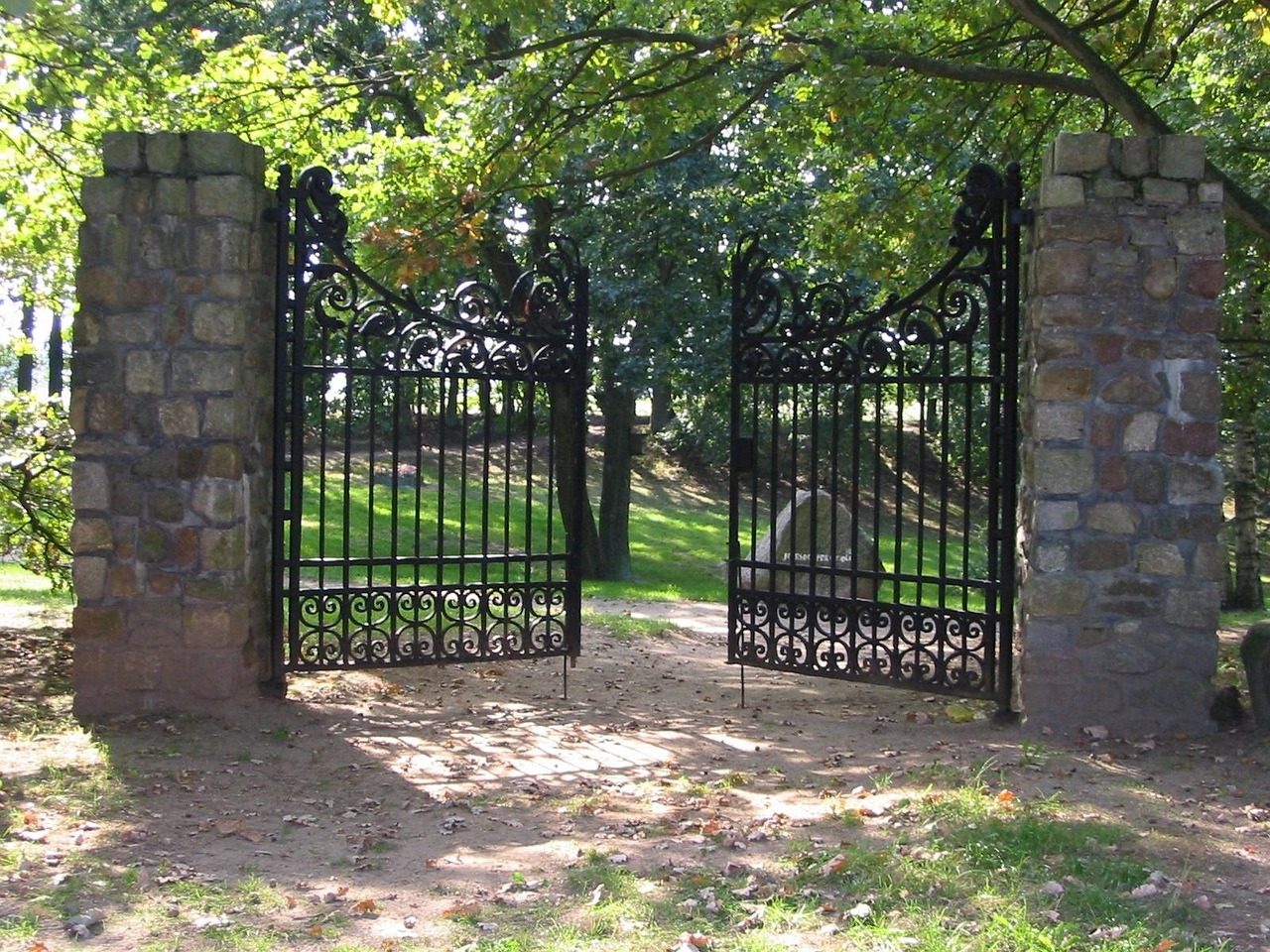
Powder coat and wet paint are the two most common finishes on metal gates, and they behave quite differently in the sun, in the rain and under the knocks of daily use. Neither is simply better in every case. The right choice depends on the gate, the setting and how much upkeep an owner is willing to do, and understanding how each works makes that choice easier.
How wet paint works
Wet paint is liquid. It is brushed, rolled or sprayed onto a prepared surface and dries as the solvent or water in it evaporates and the binder hardens. Industrial paints for metal are formulated with rust inhibiting pigments and tough resins, and they can be applied in a shop or on site. Paint can be mixed in nearly any color, touched up with a brush and applied to a gate after it is already hung.
The strengths of paint are flexibility and convenience. A scratch can be repaired in minutes, and a faded gate can be repainted without removing it. Paint also suits odd shapes and large assemblies that cannot fit in an oven. The limits are thickness and durability. A brushed or sprayed layer is usually thinner than powder coat, and it chips and chalks sooner, so repainting every few years is normal in strong sun.
How powder coat works
Powder coat is a dry powder made of resin and pigment. It is sprayed onto clean metal with an electrostatic charge, so the particles cling to the surface like dust on a screen. The part then goes into an oven, where the powder melts, flows into a smooth film and cures into a hard shell. The result is a thick, even coating that wraps edges and corners better than liquid paint does.
The strengths of powder coat are hardness and consistency. It resists chipping, scratching and fading better than most paint, and it is a favorite for gates, railings and outdoor furniture. The limits are practical. The gate must fit in the oven, so very large pieces may be coated in sections, and repair of a deep scratch is harder than a simple dab of paint. A touch up on powder coat is often done with a matching paint, which does not have the same hardness or sheen as the original.
Preparation makes either finish work
Whichever finish is chosen, the surface has to be right. Steel should be free of oil, mill scale, rust and weld spatter. Many shops use blasting or chemical cleaning, then apply a primer or a conversion coating that helps the finish grip. Skipping this stage is the leading cause of peeling, and neither powder coat nor paint can make up for dirty metal. A gate that looks perfect on delivery but peels in a year was probably prepared in a hurry.
Comparing the two in practice
| Trait | Powder coat | Wet paint |
|---|---|---|
| Thickness | Thick and even | Thinner, varies with technique |
| Chip resistance | High | Moderate |
| Fade in sun | Slow with quality powder | Faster, chalks over time |
| Touch up | Harder to match | Easy and quick |
| Applied | In a shop, baked | Shop or on site |
| Color range | Wide, set by powder makers | Nearly unlimited |
Both finishes can look excellent on day one. The difference shows after several summers of Texas sun and a few seasons of sprinklers, when powder coat usually holds its look longer and paint usually needs refreshing sooner.
Sun, heat and moisture
Georgetown summers are long, and surfaces on a sunny gate get very hot. Heat softens some paints slightly and speeds the breakdown of their binders. Powder coat is cured at a high temperature and tolerates heat well, though dark colors absorb more sun and run hotter than light ones. Moisture is the other threat. Any finish with a crack or chip lets water reach bare steel, so the best protection is a system with a zinc layer or primer underneath and a tough topcoat above.
Where each one fits
- A new gate built in a shop usually suits powder coat, especially on a high use gate.
- An older gate that needs a fresh look, a repair or a color change is often painted on site.
- A very large or fixed assembly that cannot be moved suits paint.
- A gate with intricate scrollwork may be easier to coat evenly with powder, which flows into crevices, or by dipping.
- A gate that will be touched up often by the owner is easier to maintain with paint.
Some owners combine the two. A shop applies powder coat for the main finish, and the owner keeps a small can of matching paint for quick repairs. That approach gives the durability of powder coat with the convenience of a brush.
Upkeep for each finish
Powder coat needs washing with mild soap and water and an occasional look for chips. Paint needs the same, plus a plan to recoat as it chalks. For both, keeping sprinklers off the gate and wiping off mineral crust extends the finish. Waxing a clean powder coated surface once a year adds a protective layer and slows chalking in strong light.
Reading the finish on a gate is part of judging the whole job, and more guides on the whole subject of metal gates are gathered at metal gates georgetown files.
Choosing wisely
Ask the maker which finish is used, what steps come before it and what warranty or care advice goes with it. A shop that coats regularly can describe its process in detail. For most gates built new, powder coat over clean, primed or galvanized steel is the stronger system. For repair work and changes of color, quality paint is the practical tool. The pages on curing and on color choice carry the subject further.
Questions worth asking about any finish
A few plain questions reveal how much care went into a coating. Ask how the metal was cleaned before coating, since oil, mill scale and old rust ruin adhesion more often than any product choice. Ask whether welds and cut edges were smoothed first, because sharp edges let a coating thin out exactly where corrosion likes to start. Ask whether the coating covers the inside faces, hidden corners and the bottoms of posts, where water collects. A confident maker can answer each of these in a sentence, and the answers say more than a color chart does.
Care after installation is light. Rinse dust and pollen off a few times a year, wash with mild soap when grime builds, and inspect hinge points and latches where wear scrapes the coating first. A chip caught early and touched up with matching paint costs almost nothing, while a chip ignored for a season can turn into a rust bloom that lifts the surrounding finish. Either coating rewards that habit, and either one fails sooner without it.