Home / Aluminum Gates, Strengths and Limits
Aluminum Gates, Strengths and Limits
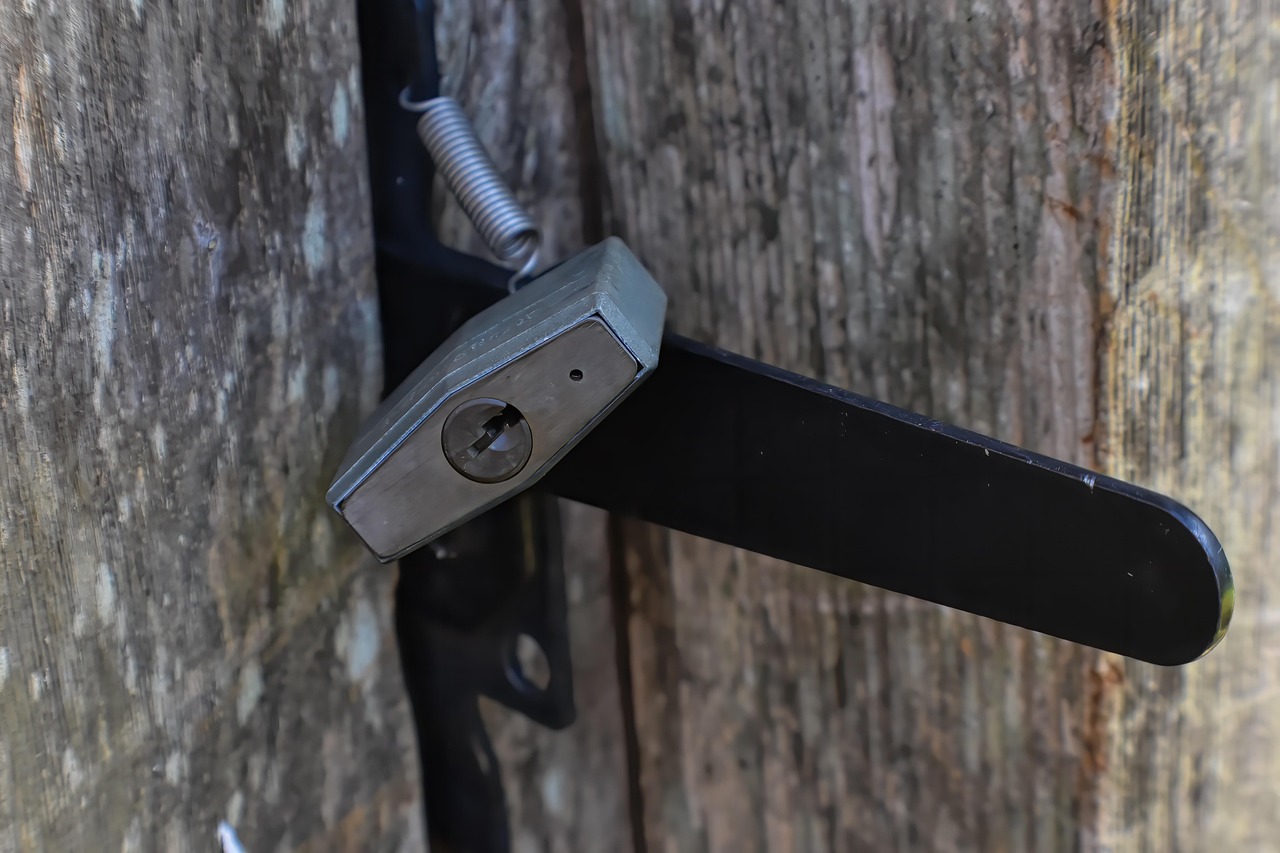
Aluminum gates are light, resist the orange rust that plagues steel and are easy on hinges and openers, which explains why they show up so often around pools, side yards and automated driveways. They also have real limits. The metal is softer than steel, it flexes more and it needs thoughtful design to match the strength of a steel gate. A clear view of both sides helps an owner decide whether aluminum is the right fit.
Why aluminum behaves differently
Aluminum is a light metal with a density about one third that of steel. It is not very strong in its pure form, so gate makers use alloys that add small amounts of magnesium, silicon or other metals to raise the strength. Common structural alloys used for extruded tube and angle are far stronger than the pure metal, though still softer and less stiff than steel. Stiffness matters most for a gate, because a stiff frame resists sag. Aluminum has roughly one third the stiffness of steel for the same shape, so a frame made of it must use larger or thicker sections to compete.
The surface behaves differently too. When aluminum is exposed to air, it grows a thin, hard oxide layer in a fraction of a second. That layer seals the metal beneath and stops deeper corrosion. It is why an aluminum gate can stand in a sprinkler spray for years without producing rust. White powdery spots can appear where the oxide is damaged and moisture sits, but they stay shallow and can be cleaned off.
Where aluminum shines
- Pool barriers and gardens, where damp conditions would trouble steel.
- Gates that move on motors, since low weight reduces strain on the opener.
- Side yard and walk gates that people open often and expect to swing easily.
- Locations where rust staining on stone, concrete or pavers would be unwelcome.
- Gates installed by owners or small crews, since lighter parts are easier to handle.
Light weight also lowers the load on posts. A modest post can hang an aluminum gate that would need a much heavier post if made of steel, which can reduce footing work.
Where aluminum falls short
The same softness that makes aluminum easy to work also makes it easy to dent. A kick, a bumped mower or a delivery truck can leave a mark that will not spring back. A steel gate may take the same blow with only scuffed paint. Aluminum is also less suited to very wide spans, since the frame flexes more under its own weight and under wind. Wide openings often need heavier extrusions, an internal steel core or a different design altogether.
Security is another point. A determined intruder can bend or cut aluminum more easily than steel. For a pool or a garden this is rarely a worry, but for a gate protecting something valuable steel may be the stronger pick.
Styles and shapes
Many aluminum gates are assembled from extruded pickets and rails that come in standard profiles. They can look very clean and modern, and some are designed to mimic traditional ironwork with cast or stamped ornaments. Fully custom scrolls and curves are less common because aluminum is harder to forge and bend than mild steel, though skilled shops can roll arches and cast parts when asked. Buyers who want a heavily ornamental entry often find steel gives them a wider range.
The finish is usually powder coat, which gives aluminum a hard, long lasting color. Aluminum can also be anodized, an electrical process that thickens the oxide layer and can add color, though that finish is more common on windows and trim than on gates.
Strength and design details
Good aluminum gates compensate for the metal in smart ways. Frames use larger tube with thicker walls than a steel gate of the same size would need. Corners are joined with welded or mechanical connections that spread stress. Diagonal bracing, tension rods or a stiffening plate keep the gate square. Bottom rails are often heavier, and the hinge side may use a reinforced stile.
When you look at an aluminum gate, check the wall thickness and the size of the frame, the way the corners are joined and whether any bracing is used. A thin, small frame on a wide gate is the classic recipe for sag. The overview of metal choices gathered at metal gates georgetown files puts these trade offs next to steel and wrought style options.
Welding and fastening
Aluminum can be welded, but it needs a different process than steel, with the right filler, clean surfaces and an inert shielding gas. The heat from welding can soften the aluminum near the joint, which reduces strength in that zone, so designers allow for it. Some gates are assembled with screws, rivets or hidden brackets instead of welds, which avoids the heat but relies on the quality of the fasteners. Both methods can work. The key is that the joint be sized for the loads it will carry.
Heat, wind and care
Aluminum expands more than steel when it warms, so a long gate may grow slightly in summer, and good installations leave a little room at the latch and between panels. It conducts heat well, so a dark gate in full sun can get hot to the touch. A lighter color reduces that effect. Maintenance is simple: wash the finish a couple of times a year with mild soap and water, rinse well and look for chips in the coating. Where coating is damaged, a little touch up paint keeps moisture out and prevents the white oxide from spreading.
Use stainless or coated fasteners and avoid direct contact between aluminum and bare steel parts when water is present, since the two metals can set up a reaction that eats the aluminum. A plastic washer or a coat of paint between them solves the problem.
Is aluminum right for the job
For a pool side gate, a motor driven leaf, a narrow walk gate or any place where rust would be a nuisance, aluminum is a sensible, durable choice. For a very wide opening, a high security entry or a heavily ornamental design, steel often gives better strength and more freedom. Ask the maker to explain the frame size, wall thickness and joint method, and compare those answers with the width of the opening. A gate designed with the metal's limits in mind will perform well for many years.
Questions to ask before choosing aluminum
Before settling on aluminum, a few questions sharpen the decision. How wide is the opening, and how heavy is the wind exposure along that fence line? How often will the gate be opened, and by whom, since children and delivery drivers are rougher on hardware than owners are? Is the gate meant to keep out animals and casual wanderers, or to resist a determined push? Does the property already have steel elements nearby whose color and character the gate should match? Honest answers point toward a metal, a frame size and a finish, and they stop a buyer from paying for strength that will never be needed or skimping where it will.
Whatever the answers, request the frame dimensions and wall thickness in writing, along with the alloy designation of the extrusions. Those facts are easy to state and hard to fudge, and they allow a fair comparison between quotes that otherwise look alike on the surface.