Home / Why Metal Gates Rust in Georgetown and How Coatings Stop It
Why Metal Gates Rust in Georgetown and How Coatings Stop It
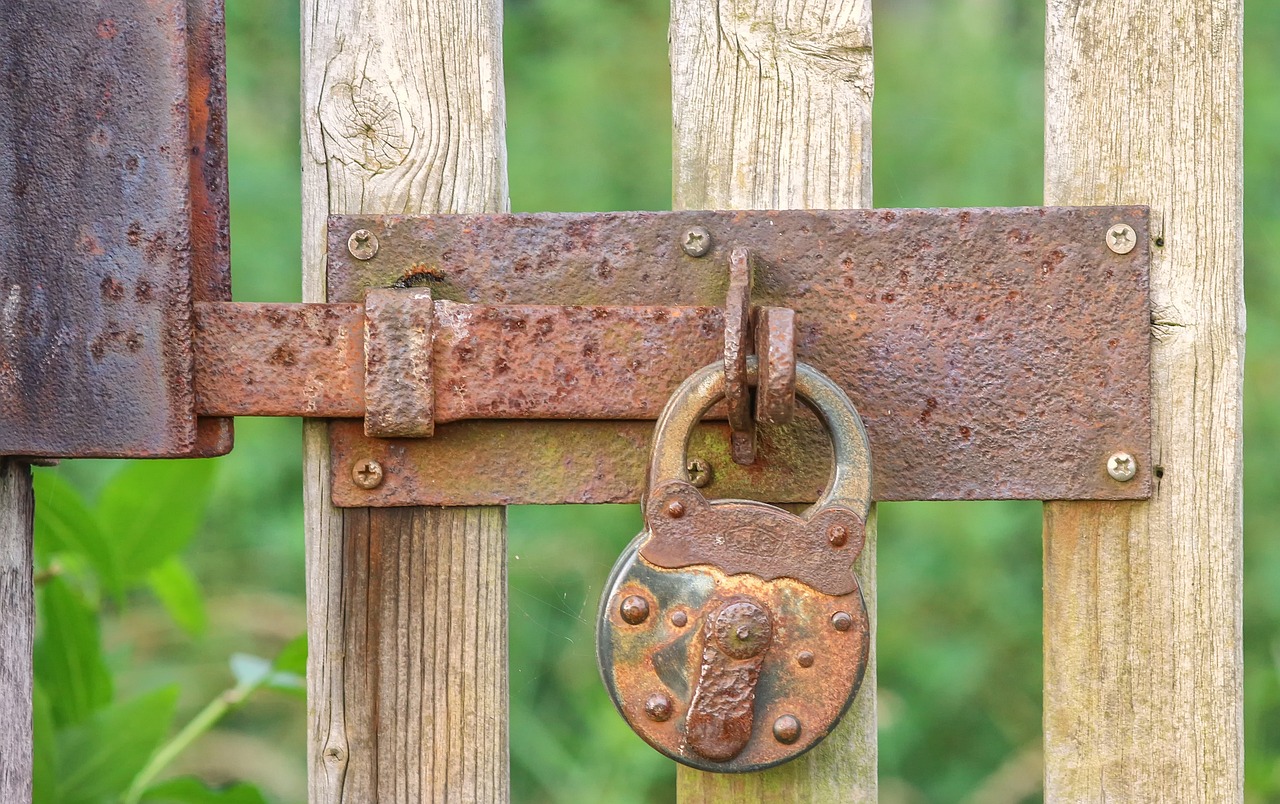
Metal gates rust in Georgetown because steel meets oxygen and moisture wherever a coating has failed, and a few small habits of the local climate speed that meeting along. Understanding where rust begins, and how each kind of coating blocks it, lets a homeowner buy a gate that lasts and keep it looking sharp without much effort.
What rust actually is
Rust is iron that has combined with oxygen in the presence of water. The reaction is slow on a dry surface and quick on a wet one, and salts or minerals in the water make it faster still. The orange flakes that form are larger in volume than the metal they came from, so rust lifts paint, cracks coatings and exposes fresh metal beneath. That is why a tiny chip can grow into a bubbling patch within a season. Aluminum does not behave this way, and that is one reason it is common near pools, but most gates in the area are steel and must be protected.
How Georgetown weather feeds the problem
Central Texas is not a rainforest, yet a gate here can stay wet longer than people expect. Morning dew settles on cool metal after a warm night. Spring storms deliver heavy rain in short bursts. Lawn sprinklers throw water at gates and fences for a few minutes every other day, and water from a well or a hard water supply leaves mineral crust behind as it dries. Wet and dry cycles are hard on coatings because they expand and contract with temperature, and they carry grit into every small crack.
Sun adds its own damage. Ultraviolet light breaks down the binders in paint, so a finish that looks fine in spring can chalk and thin by the third summer. A coating that is chalking has less thickness to protect the steel, and a chipped or thin spot lets moisture creep in at the edges.
The soil near a gate plays a part too. Clay holds water against the lower part of a post, and a base plate that sits in damp ground will corrode from the bottom up. Where a post meets concrete, a small gap lets water pool, and that spot is often the first place rust shows.
Where rust starts on a gate
- The bottom rail, where splashing and standing water collect.
- Weld seams, where heat has damaged the original coating and the surface is rougher.
- Cut ends and drilled holes, where bare steel is exposed.
- The inside of hollow tube, where moisture can enter and never dry out.
- Hinge and latch mounting points, where hardware scrapes paint away.
- The base of posts, at and just below ground level.
Looking at these places once or twice a year catches trouble early, when a little cleaning and a dab of paint are enough.
Coatings that protect steel
Every protective system works in one of two ways: it blocks water from reaching the metal, or it sacrifices itself so the steel does not. Most good gates use a layered approach.
Primer is the base layer, formulated to grip bare steel and carry rust inhibiting pigments. Paint over primer adds color and a tougher outer skin. Powder coat is a dry powder that is sprayed with an electric charge and then baked into a hard, even shell. It is thicker and more chip resistant than most brushed or sprayed paint, and it is a standard choice for gates that see daily use.
Galvanizing coats steel in zinc. Zinc corrodes in place of the steel beneath it, so even a scratch that reaches the metal tends to stay protected for a while. Many high quality gates are galvanized first and then powder coated, which gives a long lasting base with a handsome finish on top. The extra step is worth considering for a gate that will stand near a sprinkler line, a pool or low ground.
Preparation decides the result
A coating is only as good as the surface under it. Mill scale, oil, weld spatter and old rust all stop paint from bonding. A reputable shop cleans steel by blasting or chemical washing, removes sharp edges and rough weld spatter and applies the first coat soon after, before a film of surface rust forms. A gate that was painted over dirty or damp metal can peel in a year, no matter how expensive the paint was.
Edges and corners are tricky. Coatings tend to pull away from sharp edges and leave them thin, so a good fabricator rounds them slightly. Hidden surfaces matter as well. The inside of a hollow tube cannot be reached by a brush, so quality shops either seal the ends, vent the tube so it can dry or coat the inside by dipping.
Keeping a finish healthy
A gate does not need heavy maintenance, but it rewards a short routine. Wash it with mild soap and water twice a year to remove dust and mineral film. Look closely at the bottom rail, the welds and the hardware. When a chip shows bare metal, clean it with a wire brush or fine sandpaper, wipe the dust off and brush on a matching rust inhibiting touch up paint. Doing this within a few weeks of the damage keeps the repair small.
Avoid letting sprinklers hit the gate. Turning a spray head a few degrees, or switching to a drip line, may be the most useful thing an owner can do. Keep mulch, soil and leaf litter from piling against the base of posts, because damp material holds water against the metal for days.
When rust has already started
Light surface rust is manageable. Sand it back to bright metal, treat it with a rust converter or primer and recoat. Deep rust that has flaked and left pits is a bigger job, and rust that has eaten through a tube wall needs a welder to cut out the weak section and replace it. If a post has corroded at its base, the post should be repaired before the gate is hung again, since a weakened post can fail under the weight of a swinging leaf.
Fresh paint over active rust only hides it. The rust keeps growing under the new coat and pushes it off, so removal is not optional.
What to look for when buying
When shopping for a gate in Georgetown, ask what the finish system is, how the steel was cleaned before coating and how cut ends and welds are protected. Ask whether the inside of the tubing is sealed. Ask what the maker suggests for touch ups. A confident answer, given in plain language, is a better sign than a promise that the gate will never rust. No coating is permanent, but a well chosen system, applied to clean steel and checked each year, can keep a gate in good condition for a very long time.
Honest planning also includes the setting. A gate by a sprinkler bed, in a low spot or near water deserves a stronger system than one on a dry, sunny, open fence line, and it may deserve aluminum instead of steel.