Home / How to Judge the Build Quality of a Metal Gate in Georgetown
How to Judge the Build Quality of a Metal Gate in Georgetown
Judging the build quality of a metal gate in Georgetown does not take an engineering degree. A careful buyer can stand in front of a finished gate, or a photo of one, and read most of what matters: how square it is, how clean the joints are, how heavy the metal feels and how well the finish was applied. The signs are visible if a person knows where to look.
Start with the squareness
A well built gate frame is square, which means the diagonals measure the same and the corners are true right angles. Stand back and sight along the top rail. It should be straight, without a hump or a dip. Check that the gap between the gate and the post is even from top to bottom, and that the gate hangs without twisting. A frame that is slightly out of square will rub on one side, drag at the latch and slowly sag as the weight pulls on the weak corner.
A gate that is square on the shop floor can still go out of square if the metal is too thin or the joints are weak, so squareness is a symptom as much as a feature. A gate that has hung for a year and still sits true is a good sign.
Read the welds
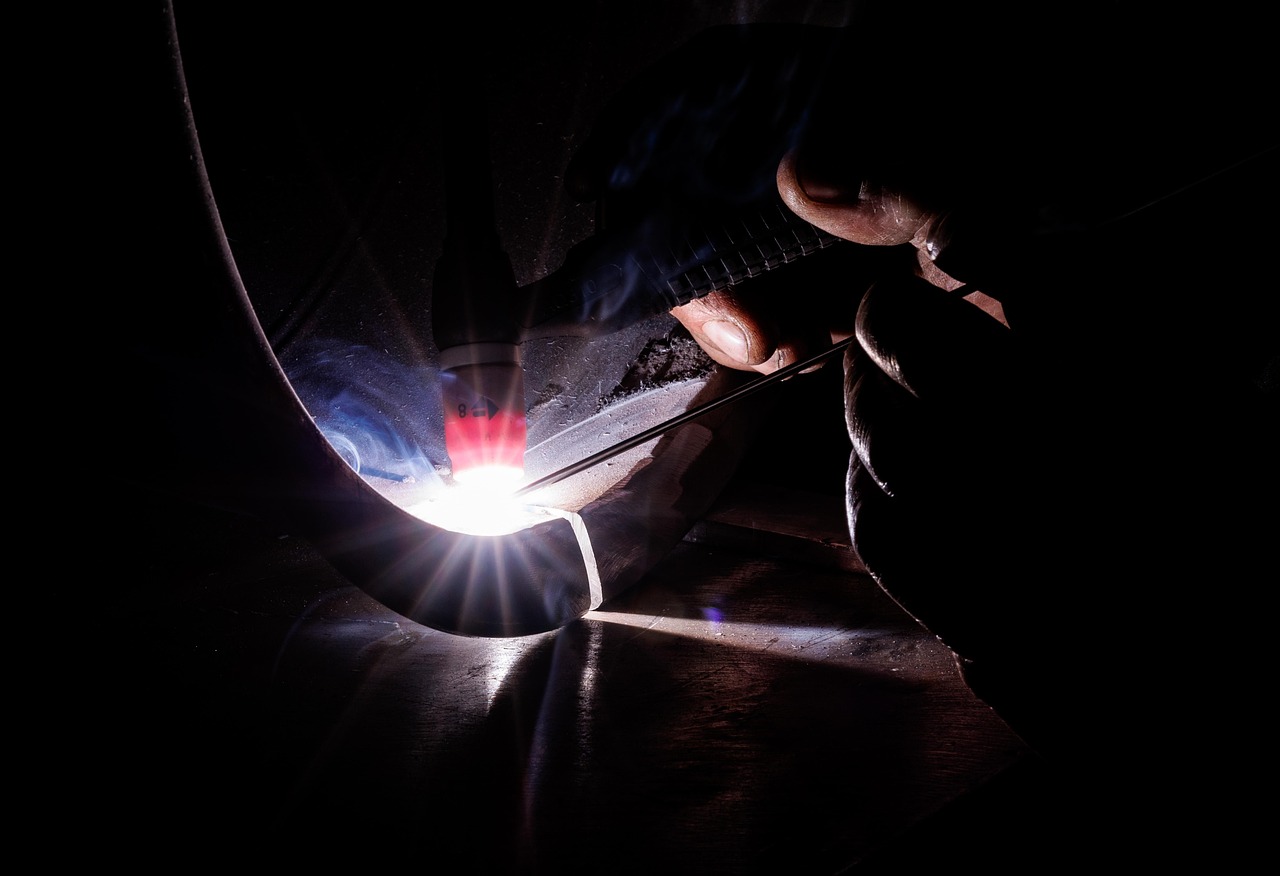
Welds are where a gate is held together, and they tell the most honest story. A good weld looks even and steady, with a consistent width and a smooth, slightly rippled surface. It blends into both pieces of metal without gaps. Poor welds show as lumpy blobs, gaps where the bead stops short, holes in the surface, cracks or burn marks on the metal beside the joint.
Many gates have the welds ground smooth for appearance. That is fine when the joint was strong first and then finished, but a grinding pass can hide a weak weld, so ask whether the joints were fully welded all around or only tacked in places. Joints that carry load, such as the hinge side corners and the points where braces meet the frame, deserve the closest look.
Feel the weight and check the metal
Thin tube makes a light gate that looks fine in the shop and bends in the first year. Tap the frame with a knuckle. A thick wall gives a dull, solid sound, while a thin wall rings or buzzes. Ask for the tube size and wall thickness and compare them with the span. A wide gate needs thicker and larger tube than a narrow one, and a gate with heavy infill, such as solid panels, needs stronger framing still.
Lift one end of a smaller walk gate if the shop allows it. A good gate has a satisfying heft without being awkward. A gate that feels flimsy in the hand will usually feel the same on the post.
Look closely at the finish
The finish is the gate's armor. Look at it in good light and from a low angle. It should be even in color and sheen, without runs, drips, orange peel texture or bare patches. Edges and corners should be covered, not thin or shiny where coating has pulled away. Check the places that are hard to coat: the underside of rails, the inside of corners and around welds. A good shop coats those places on purpose.
Ask what the finish system is. Zinc under powder coat is a strong combination. A single coat of brushed paint is a lighter system and will need more care. Neither is automatically wrong, but the buyer should know what has been bought and what upkeep to expect.
Examine the hardware
Hinges, latches and drop rods are where a gate meets daily use. Hinges should be sized for the weight, with bearings or bushings that move freely and a way to adjust the gate after installation. Latches should catch cleanly and be mounted with strong fasteners or welded brackets. Check that the hardware is made of a material that tolerates outdoor use, such as stainless or coated steel, and that it is attached to solid metal, not a thin wall that will flex.
Ask whether the gate has a stop so it does not swing past its line, and whether a drop rod or a cane bolt holds the second leaf of a double gate. Details like these show whether the maker has thought about how the gate will be used.
Check the design for water and wear
Good gates are designed to shed water. Look for drain holes at the bottom of hollow members, caps on the tops of tubes and bottom rails raised above the ground rather than resting on it. Spots where water can sit, such as flat ledges or closed pockets, lead to early rust. Scrollwork that has deep crevices is hard to coat and hard to clean, so ornate parts deserve extra scrutiny.
Anything that can be reached by a child or a pet should be free of sharp edges, pinch points and loose parts. Run a hand along the edges of the frame to feel for burrs or rough spots.
Think about the posts and the opening
The gate is only as good as what holds it. Posts should be sized for the load and set in concrete at a depth that suits Georgetown's clay and limestone soils. Look at how the posts are plumb, how they are capped and whether the concrete is crowned to shed water. A fine gate hung on a post that leans will fail no matter how well it was made.
The opening itself matters. The gate should fit the gap with an even clearance, leaving room for expansion in summer heat and for the ground to move a little without binding the leaf.
Questions that reveal quality
- What are the dimensions and wall thickness of the tube used?
- Are the joints welded fully around, and are the welds ground smooth?
- How was the steel cleaned and coated, and what protects cut ends?
- Does the gate have drain holes and capped tops?
- Which hinge and latch models are used, and can they be adjusted?
- What is done to prevent sag over time?
A maker who is proud of the work will answer these without hesitation, and may show the details unprompted. Vague answers or a refusal to discuss construction deserve caution.
Put it all together
No single sign proves a gate is well built, but several signs pointing the same way are convincing. Square lines, steady welds, solid tube, a clean finish, strong hardware and sensible drainage add up to a gate that should serve a Georgetown home for many years. A buyer who learns to read these details will compare quotes more intelligently and will spot a bargain that is really a shortcut. The pages that follow in this guide go deeper into each of these topics, from tube thickness to weld defects and finishing.