Home / Color Choice and Heat Fade
Color Choice and Heat Fade
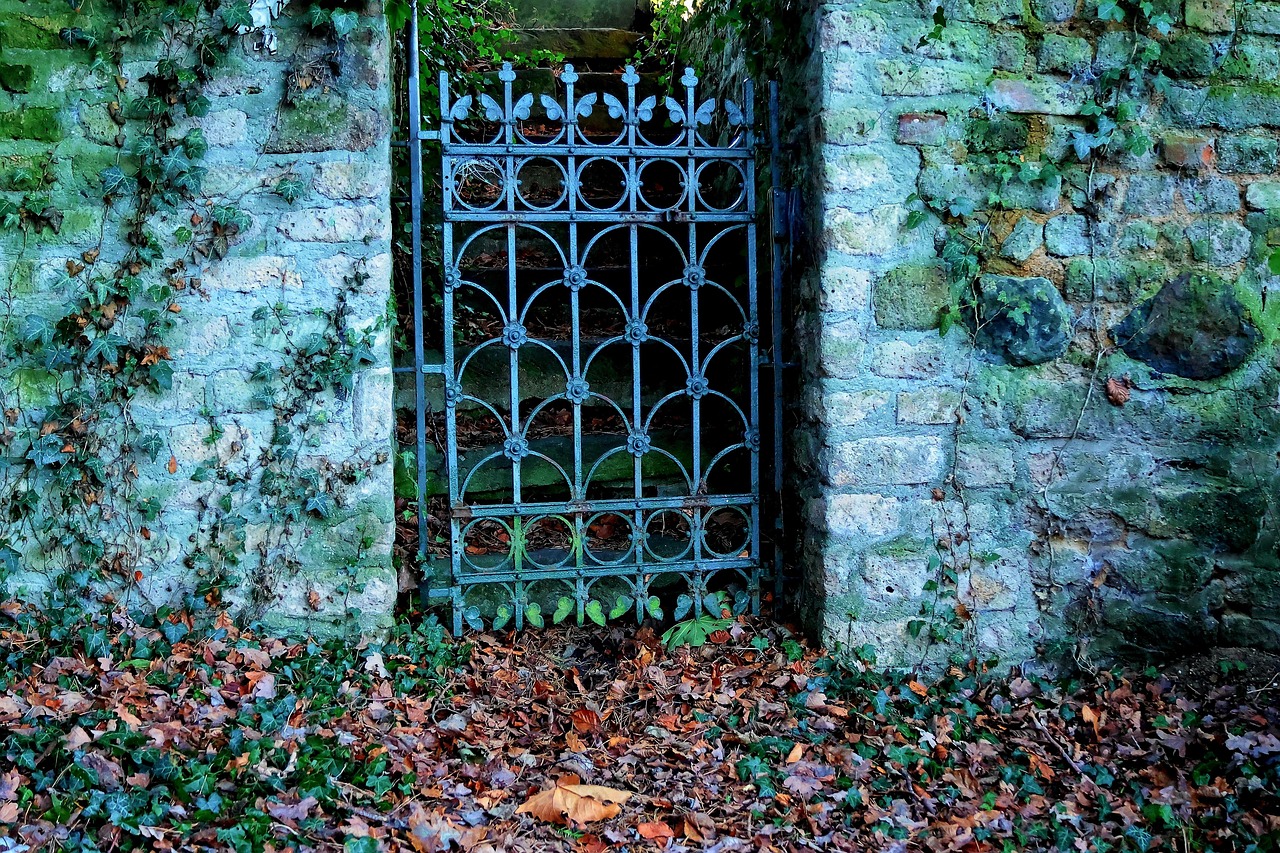
Picking a color for a metal gate feels like a purely visual decision, yet the color affects how hot the gate gets, how quickly the finish ages and how often dirt and scratches show. In a place with long, bright summers, those practical effects add up over years. A little knowledge about pigments, sunlight and heat helps a buyer choose a shade that looks good on day one and still looks good on day one thousand.
How sunlight damages a finish
Sunlight carries ultraviolet radiation, which has enough energy to break chemical bonds in the resin that holds a coating together. Over time, the surface of a finish chalks, which means that tiny particles of broken down resin and pigment form a powdery film on top. The color dulls and the gloss fades. Heat speeds the process, because warm resin ages faster than cool resin.
Pigments differ in how well they resist this attack. Some are stable for decades, and others fade within a few seasons. Red, orange and some bright yellow pigments are traditionally the weakest, while many earth tones, grays and blacks are among the most durable. Modern outdoor grade powders are formulated with stable pigments and UV resistant resin, which narrows the differences, but they do not erase them.
Dark colors and heat
A dark surface absorbs most of the sunlight that strikes it and turns that energy into heat. A black gate in direct summer sun can reach temperatures that are uncomfortable to touch, and well above the air temperature. That heat has a few consequences. It expands the metal, which stresses joints and coatings over repeated daily cycles. It can soften certain finishes slightly, making them pick up dirt. And it can make hardware, like latch handles, painful to use in the afternoon.
Dark colors also show dust, pollen and water spots more strongly. A black gate looks sharp when clean, but a layer of light colored dust turns it gray fast. Scratches that expose bare metal or a different color layer also stand out on dark finishes.
Light colors and their trade offs
White and light tones reflect more sunlight, so the metal stays cooler and expands less. Chalking is less visible, since a white powder on a white surface hardly shows. Dust blends in better. On the other hand, light colors show rust runs, bird droppings, mildew and dirt streaks from rain. White finishes can also yellow slightly with age, depending on the resin.
Mid tones such as bronze, taupe, dark green and charcoal sit in the middle. They hide dust and wear well, and they absorb less heat than true black. These shades are popular for good reason, and they pair well with stone, brick and most landscapes.
Gloss level matters too
Gloss is the shine of a finish, and it changes how color ages. High gloss finishes look vivid when new and show fading and chalking sooner, because a smooth surface makes a loss of shine obvious. Satin and matte finishes hide minor surface wear and dust, though they can hold dirt in their microscopic texture. Textured finishes, which have a pebbly surface, hide scratches and imperfections well and are a common choice for gates that take daily use.
Practical guidelines for color selection
- Choose outdoor grade, UV resistant polyester powder for any gate in full sun.
- Avoid saturated reds and oranges where long term color matters.
- Consider a mid dark tone if handles and latches will be touched in summer.
- Pick a satin or textured finish to hide dust, water spots and small scratches.
- Look at the sample in sunlight, in shade and at dusk, since color changes with the light.
- Match the gate to nearby materials, such as roof, trim and fence, so the whole entry looks planned.
Color and expansion
Metal grows when it warms. A steel gate expands about seven millionths of its length for every degree Fahrenheit, and aluminum expands about twice as much. A dark gate on a hot afternoon may be forty or fifty degrees warmer than the air, enough to make a long span grow by a fraction of an inch. Well designed gates allow for this with small gaps at latches and between panels. A tight fit that works on a cool morning may bind in the afternoon, and the color of the finish plays a part in how much that happens.
Keeping color looking fresh
Washing is the single best thing for a colored finish. Dust and pollen hold moisture and abrasive grit, and washing with mild soap and water removes them. Avoid harsh solvents and abrasive pads, which scratch the coating. A coat of automotive wax on a powder coated surface can restore some gloss and slow chalking, and it is easy to apply once or twice a year. When fading does appear, a gentle polish may bring back some of the color, though heavily chalked finishes eventually need a fresh coat.
The right color is the one that fits the property, handles the sun and suits the owner's tolerance for upkeep. Picking with heat and fade in mind makes that choice last.
Testing a color before committing
A small chip in a catalog is a poor guide to a whole gate. Color looks lighter and brighter across a large surface than on a thumbnail sized sample, and it shifts between morning sun, noon glare and the flat light of a cloudy afternoon. The best practice is to ask for a sample panel in the actual powder, set it outdoors against the house, the fence and the driveway, and look at it at several times of day. A few days of watching a sample answers questions that a catalog cannot.
Consider the surroundings as well. A gate that stands against a dark wall reads differently from the same gate in front of a pale fence or open sky. Neighboring metal, such as a mailbox, light fixtures or window frames, sets a tone that a new gate can echo or clash with. Matching one existing element, even loosely, gives the entry a planned look.
Ask the coater for the product line and the warranty on color retention. Reputable powder makers publish test data on outdoor exposure, and a polyester grade rated for architectural use will hold color measurably better than a general purpose grade. That single question often separates a finish that lasts from one that fades noticeably within a few summers.
A last point concerns repainting. Powder coat is hard to match once weathered, so a partial repair can show as a patch. If the gate may need touch ups in future, ask the coater to record the exact product code and keep a small jar of matching touch up paint. That simple record saves guesswork years later and keeps repairs nearly invisible.
Fence lines, roof color and trim also age in the sun, and a gate that matches them on day one will keep matching as everything softens together. Choosing colors that fade gracefully, such as grays, bronzes and deep greens, keeps the whole entry looking settled instead of mismatched as the seasons pass.